

We bring together public health experts, community advocates, and other professionals to understand and address the health and air quality impacts of fossil fuel combustion in buildings.
Through collaboration, capacity-building, and policy advocacy, the group works to ensure healthy homes and buildings for all.
Check out some of the Health WG’s recent projects on this page, including a fact sheet on health and building decarbonization, presentation and Q&A with Stanford researcher Yannai Kashtan, and a blog post detailing the process the working group took to successfully submit comments to the Consumer Product Safety Commission on the health impacts of gas stoves.
Email Marnese Jackson (jackson@midwestdecarb.org) to get involved!
Meets monthly on the 3rd Wednesday at 1pm ET.
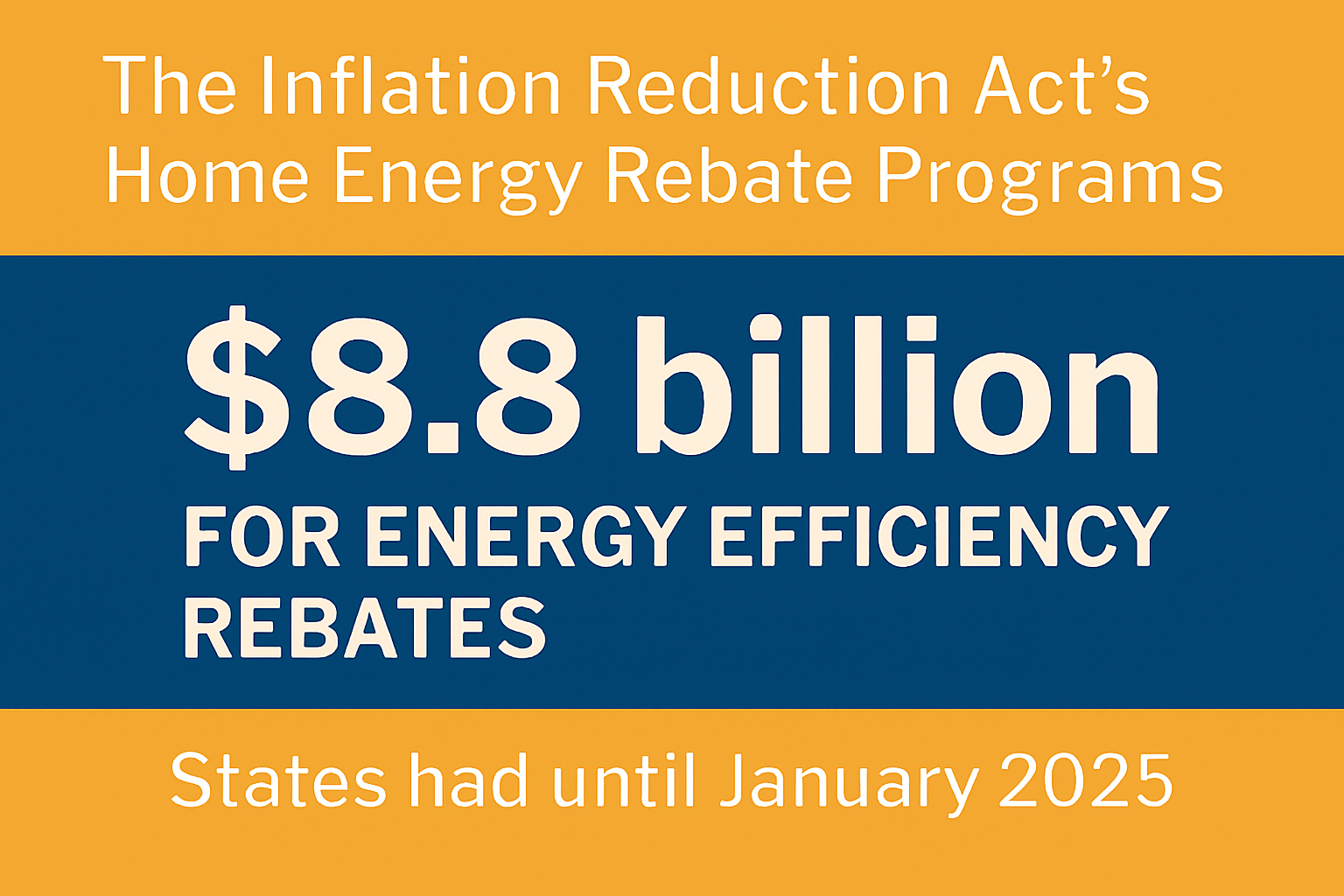
The Inflation Reduction Act's Home Energy Rebate Programs included 8.8 billion dollars for energy efficiency rebates. States had until January 2025 to apply for funding from the national Department of Energy, and states are required to hold public input hearings to inform their applications.
The Health Working Group collaborated on a set of talking points for Midwest health professionals and advocates to be used at these sessions. These talking points focus on the health impacts of home decarbonization and electrification, and are an addition to Midwest BDC’s general IRA talking points toolkit, put together by the Federal Policy Working Group.
The Health Working Group identified a major gap in public awareness and advocacy tools:
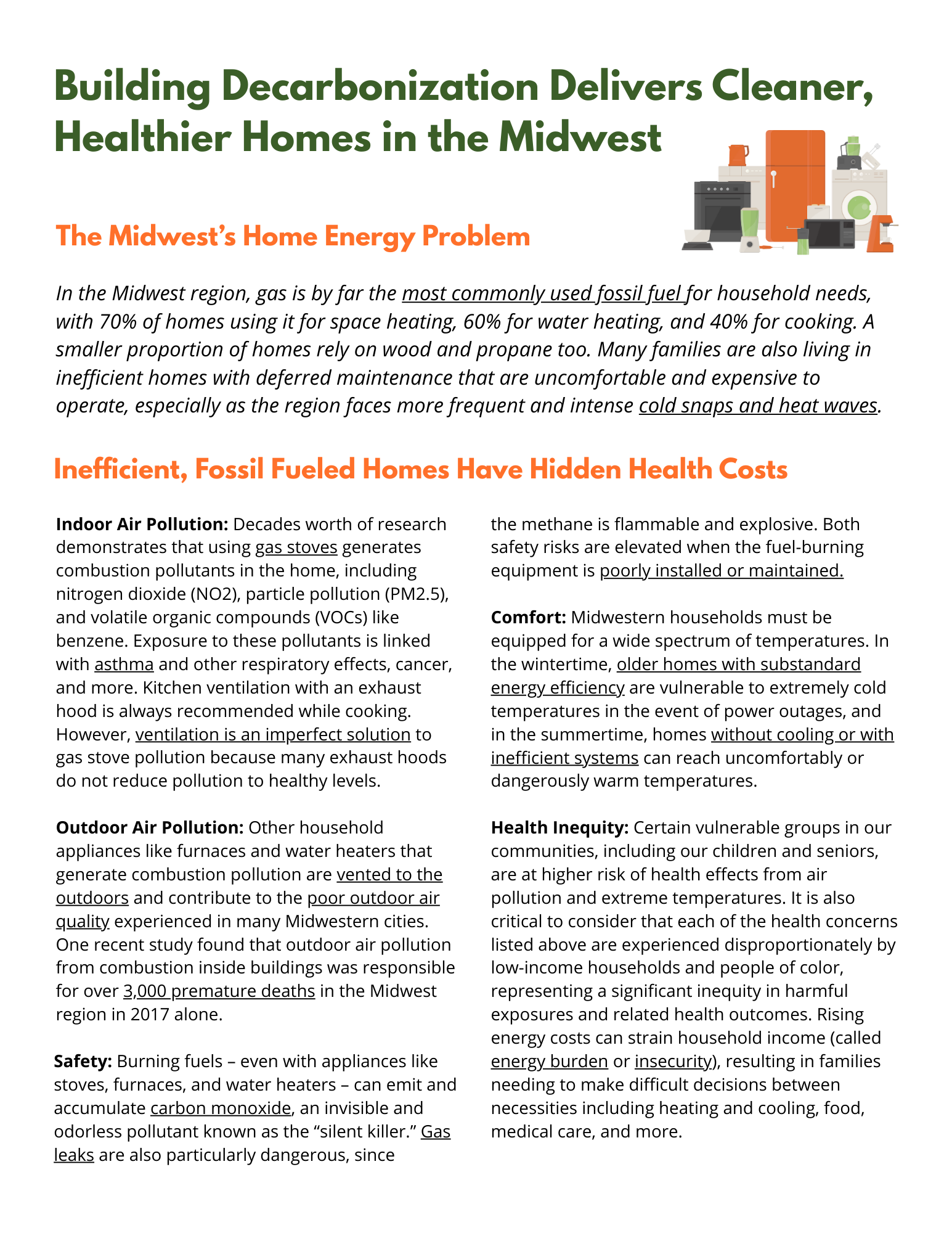
a clear, accessible resource explaining how burning fossil fuels in buildings impacts our health, especially in the Midwest and among vulnerable communities.
In response, this resource was developed to highlight how fossil fuel combustion in homes and buildings contributes to indoor and outdoor air pollution, exacerbates respiratory and cardiovascular illnesses, and disproportionately affects vulnerable populations.
This resource emphasizes the immediate and localized health consequences, connecting the dots between policy choices, the built environment, and public health outcomes.
This tool is designed for advocates, policymakers, public health professionals, and community members working toward healthier, more equitable, and clean buildings. Whether you're just starting to explore this issue or need materials to support your advocacy, this resource is here to inform and drive action.
Related Materials
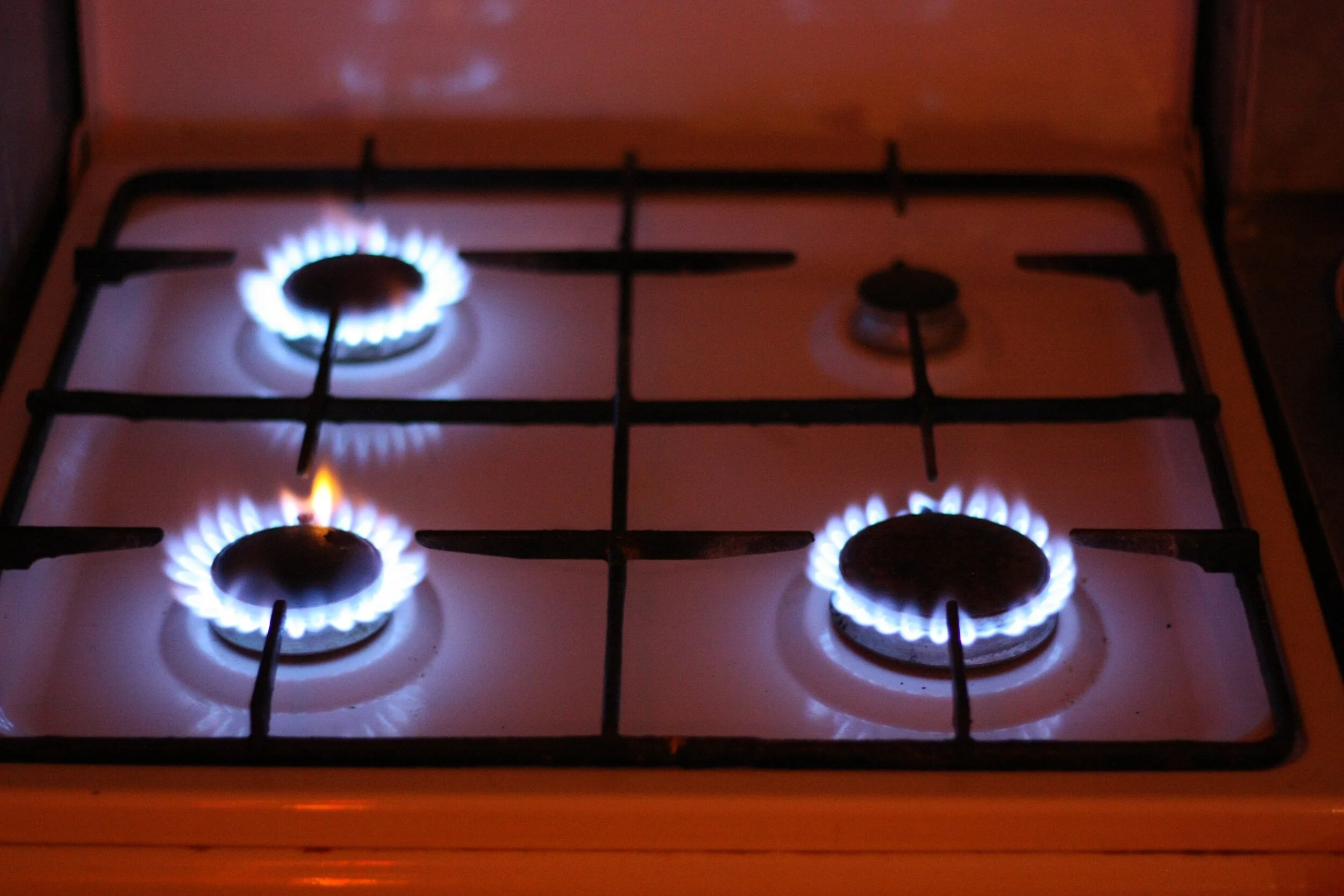
A Stanford-led analysis finds that a single gas cooktop burner on high or a gas oven set to 350 degrees Fahrenheit can raise indoor levels of the carcinogen benzene above those in secondhand tobacco smoke. Benzene also drifts throughout a home and lingers for hours in home air, according to the paper, published in Environmental Science & Technology.
Lead researcher on this study, Yannai Kashtan, joined the Midwest Building Decarbonization Coalition's Health Working Group to discuss the study, their findings, and answer some questions. Thank you very much to Yannai for joining us!